Preparing your sprinkler system for winter is essential to ensure its longevity and efficient operation when warmer weather returns. Failing to properly winterize your irrigation system can lead to costly repairs, water wastage, and reduced performance during the growing season. Understanding how to effectively shut down your sprinkler system before the frost sets in can save you time, money, and stress.
The Importance of Winterization
Winterizing your sprinkler system is not just a precaution; it is a necessary step in maintaining an effective irrigation setup. Water left in the pipes can freeze and expand, leading to cracks in the lines, valves, and other components. When spring arrives and temperatures rise, those cracks will create leaks that could waste valuable water resources. Additionally, repairing or replacing damaged parts can be expensive and time-consuming.
Beyond protecting the physical components of your system, proper winterization also contributes to water management strategies that promote sustainability. It helps ensure that when you do turn on your sprinklers in spring, they function as intended without unnecessary hiccups—supporting a healthy lawn and garden while conserving water.
Steps to Winterize Your Sprinkler System
The process of winterizing your sprinkler system generally involves several key steps. While some homeowners may choose to hire professionals for this task, understanding the basic procedures can empower you to take charge of your irrigation maintenance.
1. Turn Off the Water Supply
The first step is straightforward but crucial: turn off the main water supply to your sprinkler system. Locate the shut-off valve for your irrigation installation, typically found near where the main line enters the property. This action prevents water from entering the system during freezing temperatures.
2. Drain the System
After shutting off the water supply, it’s important to drain all remaining water from your sprinkler lines. There are three common methods for doing this:
- Manual Drain: Open each valve manually at its lowest point so that gravity aids in draining water from pipes. Automatic Drain: If your system has automatic drains installed, these should open automatically when pressure drops. Blow-Out Method: This method requires an air compressor connected to the main line. Blow air through each zone until no more water exits from the heads. Make sure you know how many PSI is appropriate for your particular system; too much pressure can damage components.
Considerations about choosing a draining method often hinge on personal comfort levels with DIY tasks as well as local climate conditions.
3. Insulate Above-Ground Components
Any above-ground parts of your sprinkler system should be insulated against freezing temperatures. This includes backflow preventers and any exposed pipes or connections outside. Using foam insulation tape or specially designed insulating covers can safeguard these components against frost damage.
4. Check for Repairs
While preparing for winter, take time to inspect all parts of your irrigation system for wear and tear. Look for cracked or broken fittings, clogged heads, or signs of leaks throughout your lines. Address any issues immediately; leaving them unattended could exacerbate problems once winter’s chill hits.
5. Final System Check
Once you have completed all previous steps, conduct a thorough check of each aspect of your irrigation setup before putting it into winter mode completely. Verify that all shut-off valves are closed tightly and inspect drip irrigation systems if applicable since these require special attention due to their unique design challenges.
Additional Considerations
While understanding these steps provides a solid foundation for winterizing irrigation maintenance your sprinkler system effectively, keep in mind there are additional factors specific to various climates or types of systems that may warrant individual consideration.
For example:
- Climate Variability: In regions with milder winters where freeze-thaw cycles occur frequently, consider implementing fall watering strategies before temperatures drop significantly. Smart Irrigation Systems: If you have invested in smart irrigation technology that includes seasonal adjustments based on weather data inputs, ensure settings are adjusted accordingly prior to winter shutdown. Seasonal Maintenance Records: Keeping accurate records of maintenance performed on your irrigation systems will help inform future decisions about necessary repairs or upgrades over time.
The Benefits of Professional Assistance
Though many homeowners confidently tackle their own irrigation maintenance tasks—including winterization—there are distinct advantages associated with hiring professional services dedicated specifically affordable fountain installation to landscape irrigation solutions.
Professionals often possess advanced technical knowledge regarding various types of systems (from traditional setups through modern smart controllers) and understand potential pitfalls when preparing equipment for seasonal changes. They typically offer comprehensive services that include thorough inspections during which they identify underlying issues invisible during regular maintenance routines performed by homeowners themselves.
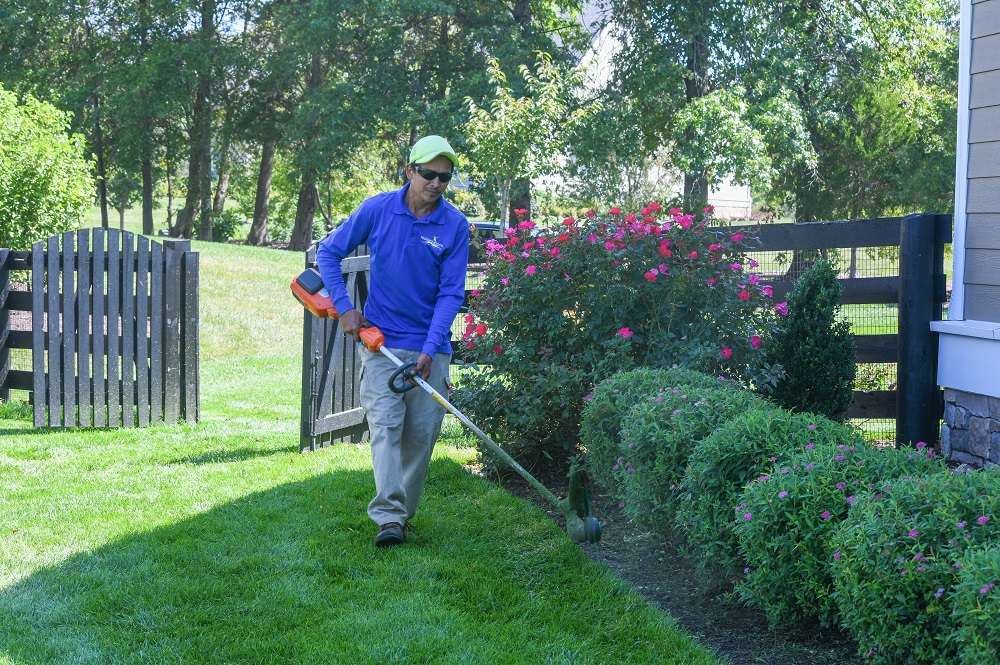
Opting for professional assistance might add upfront costs but could ultimately save money long-term by preventing significant repair expenses arising from neglected issues or incorrect procedures followed during self-service attempts.
Conclusion
Taking proactive measures now will yield dividends later when spring emerges with vibrant landscapes eager for rejuvenation through effective watering practices facilitated by an efficiently functioning sprinkler system devoid of cold-weather mishaps.
Whether you choose DIY methods or enlist professional help depends upon personal preference as well as discernible complexities inherent within individual installations—but prioritizing successful winterization remains paramount regardless of approach taken!